Gardening /Outdoors
•
3 min read
Your Year-Round Garden Maintenance Guide for Brighton & Hove
Brighton and Hove’s mild coastal climate is ideal for gardening, but it requires consistent attention across the seasons. Here is your month-by-month guide to keeping your garden looking its best all year round.
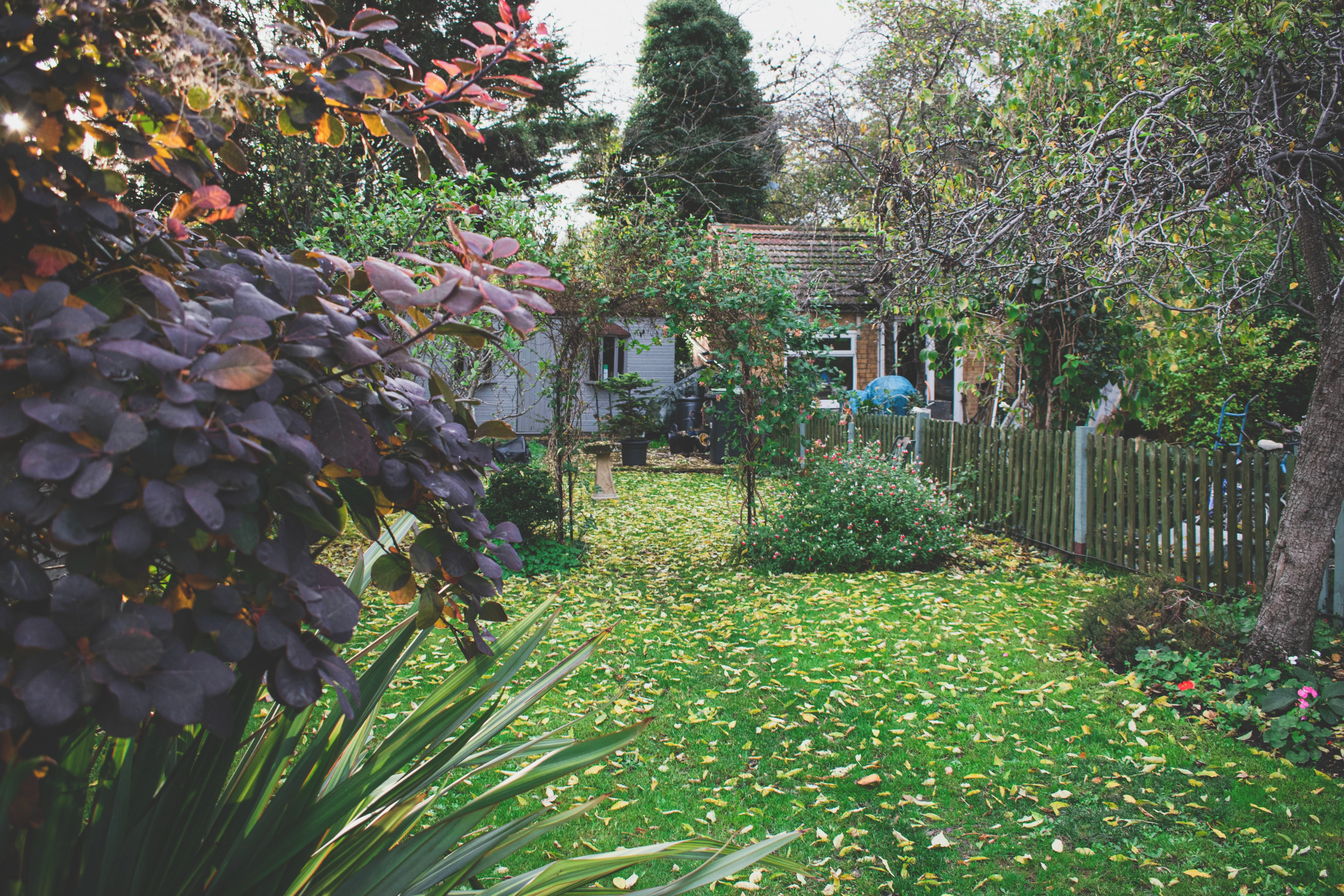
Brighton and Hove’s proximity to the sea gives the area a relatively mild microclimate. Winters rarely bite hard, and the long southern daylight hours in summer make for excellent growing conditions. For homeowners and landlords alike, a well-maintained garden adds real appeal to a property, but it does require consistent attention across the seasons.
At Hove Home Maintenance, we offer garden maintenance, lawn care, and landscaping services across Brighton, Hove, and East Sussex. This guide sets out what your garden needs, month by month.
Spring (March to May): Wake the Garden Up
Cut back any dead growth from the previous year and clear winter debris from beds and borders.
Give lawns their first cut of the year once the grass is actively growing. Set the mower high for the first cut to avoid scalping.
Edge borders and re-define lawn edges that have crept over winter.
Apply a slow-release spring fertiliser to lawns to encourage healthy, even growth.
Weed early and often. Catching weeds in spring before they set seed saves a great deal of work later in the year.
Summer (June to August): Keep on Top of Growth
Summer in Brighton brings the garden into full growth, and without regular attention things can become unruly quickly. Lawns typically need cutting every seven to ten days in the height of summer. Hedges, particularly fast-growing varieties like leylandii or privet, may need trimming two or three times through the season.
Water newly planted specimens regularly in dry spells, and keep an eye on patio pots and containers, which dry out quickly. Deadhead flowering plants to prolong the blooming season, and keep on top of weeding so that borders remain tidy.
This is also the best time of year for any structural landscaping work: new patios, raised beds, path laying, and fencing projects are all best carried out in dry summer conditions.
Autumn (September to November): Prepare and Protect
Autumn is one of the most productive seasons in the garden. Leaves need clearing regularly; left on a lawn, they block light and encourage moss. Scarify and aerate lawns in September or October to remove thatch and improve drainage before the wet winter months arrive.
Cut back perennials once they begin to die down, and mulch beds to protect roots from frost and retain moisture. Plant spring-flowering bulbs (tulips, daffodils, and alliums) in October for a display next year.
Tidy up garden furniture and structures. Treat any timber that has weathered over summer, and bring in any furniture or pots that may not survive a coastal winter outdoors.
Winter (December to February): Plan and Prune
Winter gives the garden a rest, and it should give you one too. That said, there is still useful work to be done. Prune deciduous trees and shrubs whilst they are dormant. Clear gutters and paths of moss and algae. Check fences and structures for winter damage after storms.
If your garden has been neglected or you are thinking about a redesign, winter is the ideal time to plan. Without the distraction of summer growth, it is easier to assess what is working, what is not, and what you would like to change.
Don’t Have Time to Keep Up?
Many of our clients in Brighton and Hove simply do not have the time to maintain their garden to the standard they would like. We offer regular garden maintenance visits (weekly, fortnightly, or monthly) to keep everything in good order, as well as one-off tidy-up and clearance services.